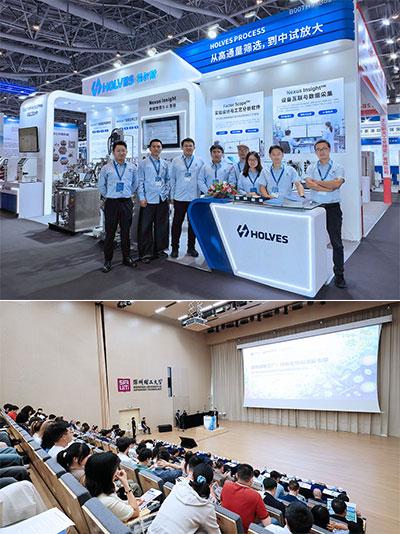
HOLVES’ answer is no longer just individual instruments, but a complete technology chain—from front-end screening to process scale-up and then to data analytics.
-
Xiamen:The 68th CIPM Pharmaceutical Machinery Expo
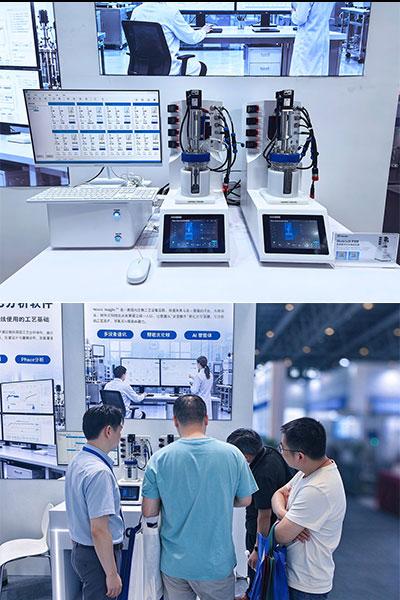
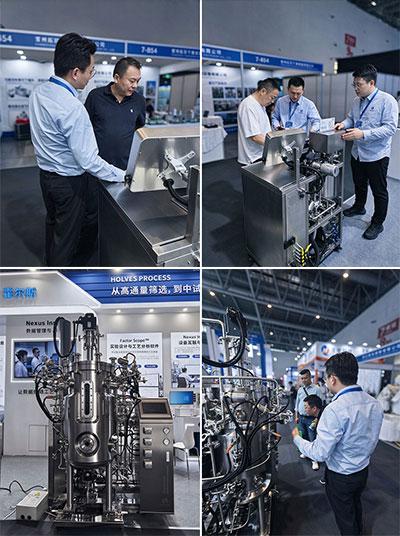
The MatrixH PBR high-throughput parallel bioreactor, making its first appearance at an industry exhibition, together with the MatrixH high-throughput screening platform, became the center of technical discussion. It turns front-end screening into “parallel computing”—supporting flexible configurations of 8 to 64 reaction units, with independent control of pH, DO, temperature, and other parameters. This eliminates repeated trial and error between shake flasks and single bioreactors, greatly improving process development efficiency and data traceability.
-
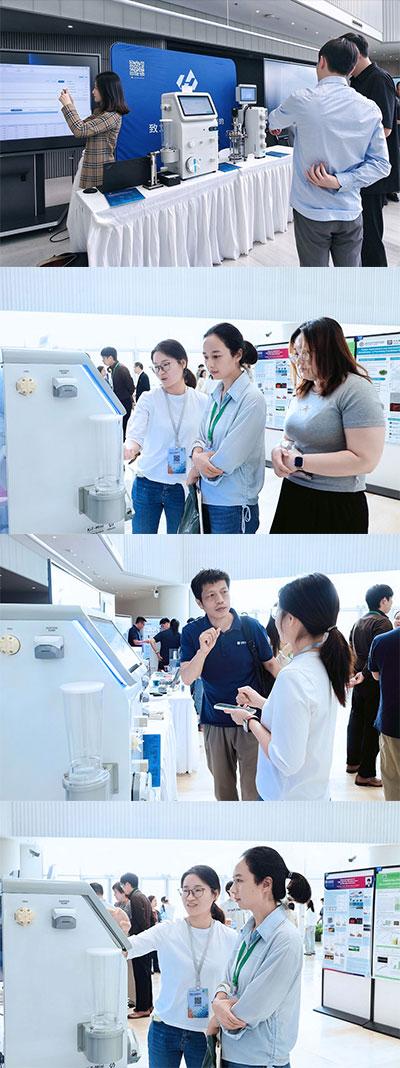
Shenzhen:How Mature Processes Can Be Transferred to the Special Algae Scenario
-
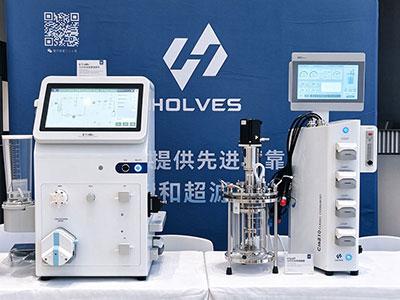
HOLVES New Technology:Nexus Insight and Factor Scope
Nexus Insight acts as a “data hub,” horizontally connecting different equipment such as fermentation, purification, and ultrafiltration systems. It maps historical trends and batch information into a unified view and turns them into traceable process assets.
Factor Scope is deep process analytics software. When photosynthetic efficiency hits a bottleneck or scale-up yield declines, it uses DoE, statistical modeling, and machine learning to identify key features from complex parameters and build interpretable process models—reducing blind trial and error.
Equipment is the carrier of the process; software is the guide. At this exhibition, HOLVES did not aim to display a seemingly perfect system, but to reduce the unknown variables in real production lines and laboratories during process scale-up.
After all, every step forward in biomanufacturing has never relied on impressive booths, but on every precise data record and every stably operating batch.
Want know more news information?
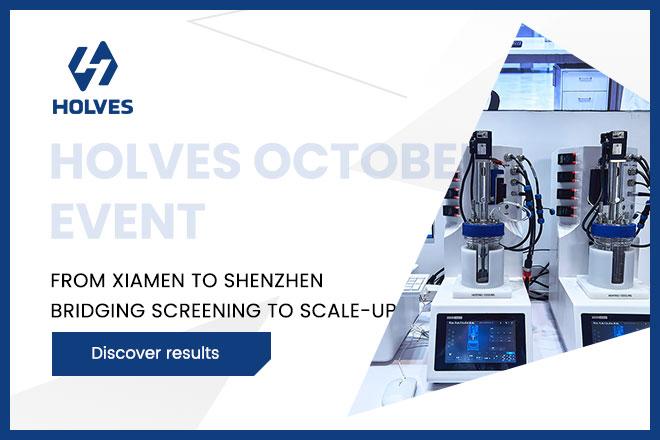
HOLVES presented an integrated chain from high-throughput screening to pilot scale-up and data analytics at two October e ...
Read article "HOLVES in October: From Screening to Scale-up Certainty"
HOLVES undergoes a full-process third-party audit every year. We welcome experts’ scrutiny and place even greater impor ...
Read article "HOLVES Quality Assurance: Passed ISO Annual Audit"
HOLVES cross-applies its pharmaceutical ultrafiltration expertise to semiconductor nano‑silver manufacturing, deliverin ...
Read article "From Pharma to Semiconductors: A Skid-Ready Success"
Bioreactor equipment manufactured in China is also capable of contributing to cutting-edge research in global food scienc ...
Read article "HOLVES Twin220 Installed at ETH Zurich Laboratory"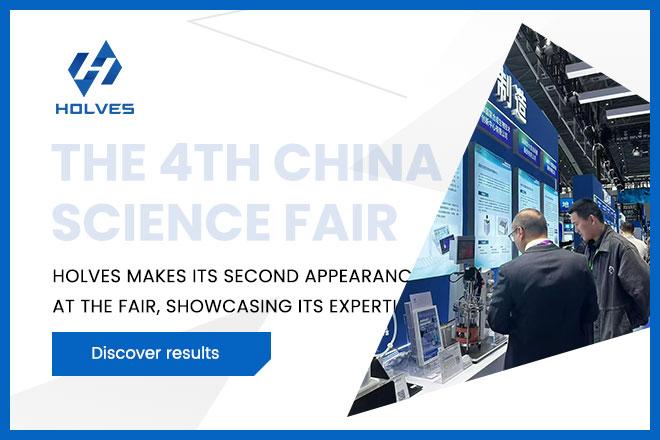
HOLVES returns to the technology trade fair, showcasing its specialized expertise through cutting-edge innovations, prove ...
Read article "HOLVES Successfully Attends the 4th China Science and Technology Fair"
HOLVES Helps Bring Future Ocean-Based Foods to Market ...
Read article "HOLVES Attends Academic Salon"
HOLVES Showcases New Product Lineup at First Post-Holiday Fermentation Exhibition, Crowds Attractions Reflecting Strong S ...
Read article "HOLVES Attends BIO CHINA 2026"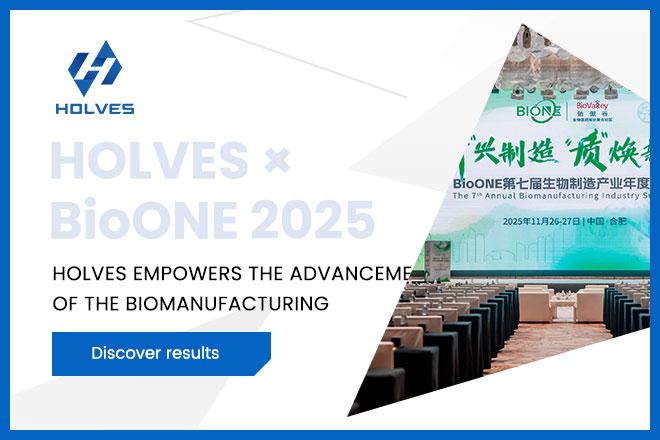
HOLVES leverages intelligent equipment to advance scientific research and industrial transformation, propelling biomanufa ...
Read article "HOLVES presents at the BioONE 2025 Summit"